What Is Uric Acid? A Simple Guide to Uric Acid, Gout, and Your Health
What exactly is uric acid, and why is it important in gout? Learn how uric acid is produced, what healthy levels look like, and how elevated levels may contribute to gout.
Gout Compass Team
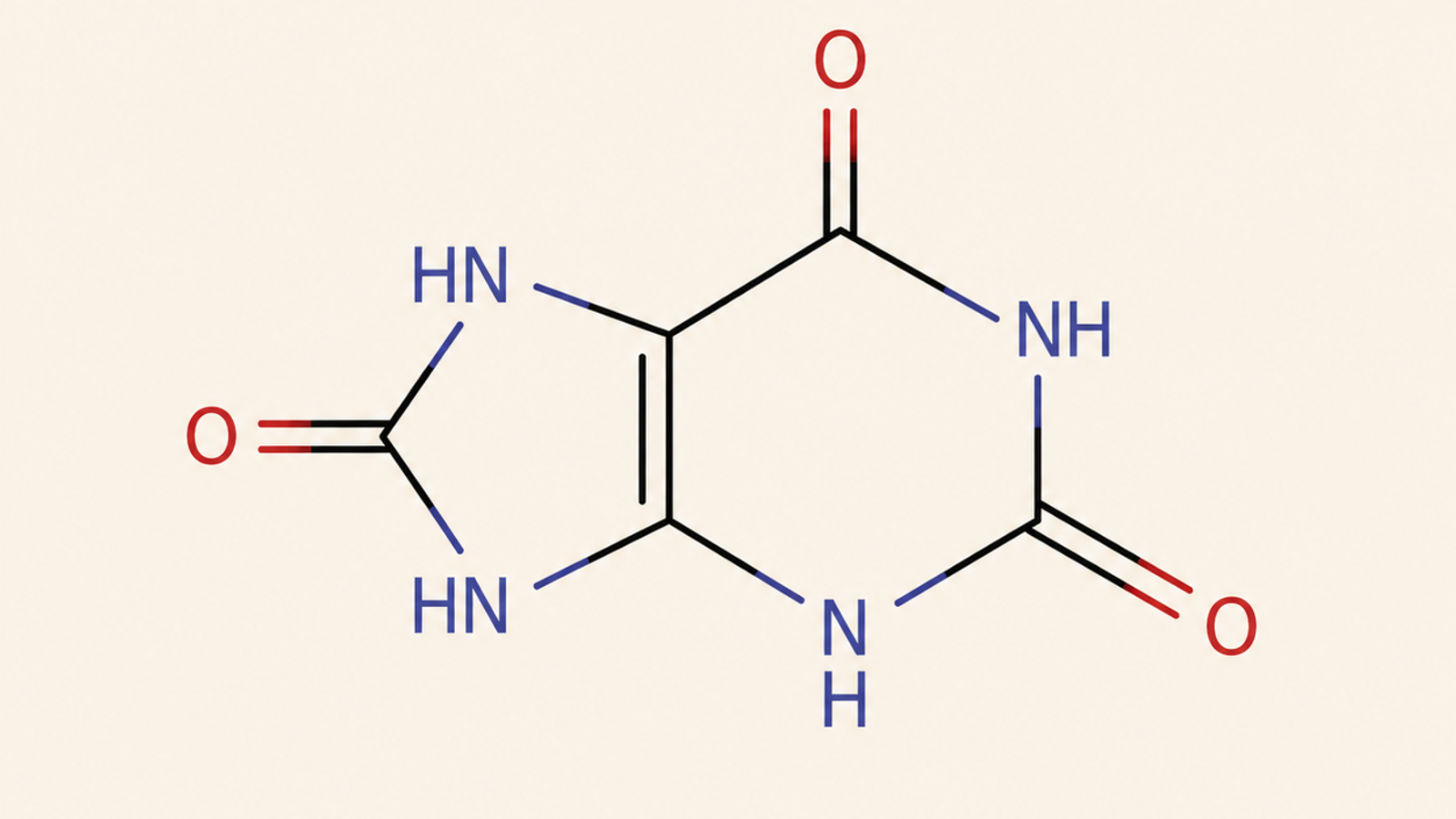
Many people hear the term uric acid for the first time after a blood test, a painful joint flare, or a conversation about gout. That often leads to a lot of questions:
What exactly is uric acid?
Why does it matter in gout?
When is uric acid considered high?
Can uric acid be elevated without causing symptoms?
What happens inside the body when levels stay high?
The good news is that researchers now understand uric acid and gout far better than they did in the past. Today, gout is recognized as a complex metabolic and inflammatory disease involving uric acid, genetics, kidney function, and immune system activity (Dalbeth et al., 2021). This article explains the science in simple language.
What Is Uric Acid?
Uric acid is a natural substance produced when the body breaks down compounds called purines. Purines are found naturally in your cells and are also present in many foods. Under normal circumstances, uric acid dissolves in the bloodstream and is removed from the body through the kidneys and intestines (Dalbeth et al., 2021). Most of the time, this process works efficiently.
When uric acid levels remain elevated over time, crystals can begin to form. These crystals may collect in joints and surrounding tissues, where they can trigger inflammation and gout.
Key Facts About Uric Acid
Uric acid is a normal part of human metabolism.
The body produces uric acid every day.
Most uric acid is removed through the kidneys.
Persistently elevated levels may promote crystal formation.
Uric acid crystals can contribute to gout flares.
How Is Uric Acid Produced?
Uric acid forms when purines are broken down. Purines come from two main sources: Natural processes within the body as well as foods and beverages.
Foods that contain relatively high amounts of purines include:
- Organ meats
- Certain red meats
- Some seafood
- Beer
- Certain alcoholic beverages
An important point often gets overlooked:
Purines themselves are not harmful. They are a normal and necessary part of human biology.
The challenge occurs when uric acid accumulates faster than the body can remove it.
When Is Uric Acid Considered High?
Healthcare professionals use the term hyperuricemia to describe elevated uric acid levels. Research shows that monosodium urate crystals become increasingly likely to form when uric acid concentrations rise above approximately 6.8 mg/dL (Dalbeth et al., 2021).
Current gout treatment guidelines commonly recommend:
- Below 6.0 mg/dL for most people receiving urate-lowering therapy
- Below 5.0 mg/dL in selected patients with severe gout or tophi
These targets are supported by both EULAR and ACR recommendations (Richette et al., 2017; FitzGerald et al., 2020).
Common Uric Acid Targets
For people being treated for gout:
Less than 6.0 mg/dL is a common target
Less than 5.0 mg/dL may be recommended in more advanced cases
Higher levels increase the likelihood of crystal formation
Can You Have High Uric Acid Without Symptoms?
Yes. This situation is surprisingly common. Many people have elevated uric acid levels for years without experiencing pain or visible symptoms.
Healthcare professionals call this asymptomatic hyperuricemia.
The term simply means:
Uric acid levels are elevated
No gout symptoms are present
Research suggests that crystal deposits may still develop over time, even when symptoms are absent (Dalbeth et al., 2021). This helps explain why some people experience a gout flare seemingly out of nowhere.
Why Does Uric Acid Cause Gout?
The pain of gout is not caused by uric acid itself. The pain comes from the body's inflammatory response to urate crystals. When monosodium urate crystals accumulate inside a joint, the immune system reacts. Researchers have identified the NLRP3 inflammasome and inflammatory messengers such as
interleukin-1 beta (IL-1β) as key drivers of this process (Martinon et al., 2006).
In simple terms: The immune system treats the crystals as a threat and launches an inflammatory response.
This can lead to:
- Severe pain
- Swelling
- Redness
- Warmth
- Reduced mobility
Common Signs of a Gout Flare
Sudden joint pain
Swelling
Redness
Warmth
Sensitivity to touch
Symptoms during the night or early morning
Difficulty walking
Why Is the Big Toe So Often Affected?
One of the most recognizable features of gout is involvement of the big toe.
Healthcare professionals call this podagra.
According to NICE, the big toe is the first affected joint in approximately 50% of people with gout and becomes involved at some point in more than 70% of cases (NICE Guideline NG219, 2022). A systematic review reported a pooled prevalence of approximately 73% for involvement of the first metatarsophalangeal joint (Stewart et al., 2016). Researchers continue to investigate why this location is especially vulnerable.
Possible factors include:
- Lower temperatures in the feet
- Mechanical stress during walking
- Favorable conditions for crystal formation
What Causes High Uric Acid Levels?
Many people assume that diet alone determines uric acid levels. Modern research paints a much broader picture.
Factors that may influence uric acid levels include:
- Genetics
- Kidney function
- Body weight
- Metabolic health
- Certain medications
- Alcohol consumption
- Fructose-rich beverages
- Dietary patterns
Large genetic studies have identified urate transporters such as SLC2A9 and ABCG2 as important regulators of uric acid metabolism (Dalbeth et al., 2021).
This helps explain why two people with similar lifestyles may have very different uric acid levels.
What Research Shows
Modern evidence suggests that uric acid levels are influenced by:
Genetics
Kidney function
Metabolism
Lifestyle factors
Certain medications
Diet matters, but it is only one part of the picture.
Can Uric Acid Be Normal During a Gout Flare?
Yes. This often surprises people.
During an acute gout flare, uric acid levels can temporarily fall into the normal range.
For this reason, NICE recommends repeating testing after symptoms have resolved if gout remains suspected (NICE Guideline NG219, 2022).
The current German S3 Guideline also notes that normal uric acid levels during an acute flare are possible (DGRh S3 Guideline, 2025).
This means that a single blood test rarely provides the full answer.
Which Other Blood Tests Are Often Checked?
Healthcare professionals frequently evaluate more than uric acid alone.
Common tests include:
- Creatinine
- Estimated glomerular filtration rate (eGFR)
- C-reactive protein (CRP)
- Blood glucose
- Cholesterol levels
Kidney function is particularly important because the kidneys remove most of the body's uric acid (NICEGuideline NG219, 2022).
Key Takeaways
Uric acid is a normal part of human metabolism. When levels remain elevated over time, crystals may form and contribute to gout. At the same time, modern research shows that uric acid is only one part of a larger picture involving
genetics, kidney function, metabolism, and immune system activity. The encouraging news is that gout is now one of the best-understood inflammatory diseases, and clear treatment strategies are available. Understanding uric acid is often the first step toward understanding gout itself. If you would like to learn more about gout, blood tests, nutrition, treatment options, and long-term uric
acid management, explore the educational resources available at Gout Compass.
Medical Responsibility Statement
The information on Gout Compass is intended for educational purposes only. Our goal is to help people better understand gout, uric acid, treatment options, nutrition, and everyday management strategies based on current scientific evidence. Gout Compass does not provide medical advice, diagnose medical conditions, or replace care from qualified healthcare professionals. Because every person's situation is different, symptoms, test results, and treatment decisions should always be discussed with a licensed healthcare provider. If you are experiencing severe pain, sudden joint swelling, fever, signs of infection, or any symptoms that concern you, seeking prompt medical evaluation may be helpful. We believe that good information can help people ask better questions, make more informed decisions, and work together with their healthcare team to manage gout with greater confidence.
Author
Gout Compass Team
Want to go deeper?
Get the free guide and ongoing, evidence-based updates on gout and uric acid.
Grab the guide