Gout Blood Tests Explained: Uric Acid, Kidney Function, and More
Which blood tests are important for gout? Learn why uric acid is only part of the picture and which lab values doctors often use to evaluate gout and overall health.
Gout Compass Team
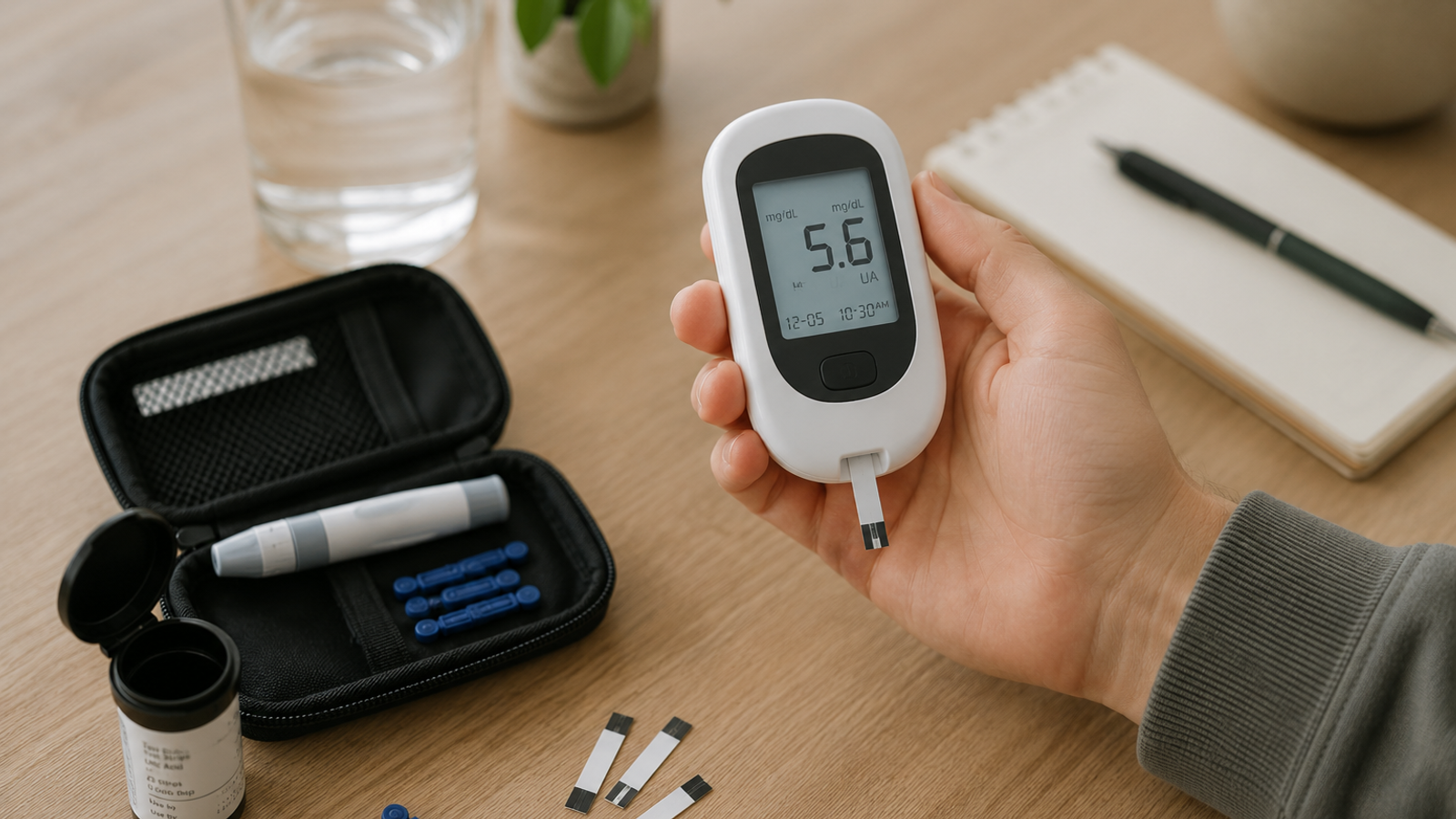
Many people who are being evaluated for gout hear the same thing:
"We should check your uric acid level."
That recommendation makes sense because uric acid plays a central role in gout. At the same time, modern research shows that gout is more complex than a single laboratory value. This is why healthcare professionals often look at several blood tests together when evaluating gout.
These tests can help:
- Understand symptoms more clearly
- Identify related health conditions
- Assess long-term risk factors
- Guide treatment decisions
The encouraging news is that current research and clinical guidelines provide clear guidance on which measurements may be most useful (Dalbeth et al., 2021).
Why Is Uric Acid So Important in Gout?
Uric acid is produced when the body breaks down compounds called purines.
Purines occur naturally in the body and are also found in many foods.
Under normal circumstances, uric acid is removed through the kidneys and intestines. When uric acid levels remain elevated over time, healthcare professionals refer to this as hyperuricemia. According to current research, urate becomes increasingly likely to form crystals when blood concentrations exceed approximately 6.8 mg/dL (Dalbeth et al., 2021). These crystals can accumulate in joints and surrounding tissues, where they may trigger inflammation and gout flares.
Key Facts About Uric Acid
Uric acid plays a central role in gout.
Persistently elevated levels may promote crystal formation.
A single blood test rarely confirms or excludes gout.
Kidney function is also important.
Uric acid levels may appear normal during a flare.
Can You Have Gout with Normal Uric Acid Levels?
Yes. This surprises many people. During an acute gout flare, uric acid levels may temporarily fall into the normal range. Because of this, NICE recommends repeating testing after symptoms have resolved if gout remains
suspected (NICE Guideline NG219, 2022). Current guidelines also recognize that normal uric acid levels during a flare do not rule out gout. This means that one blood test alone is often not enough to make or exclude a diagnosis.
What Uric Acid Level Is Considered High?
Interpretation depends on the laboratory, medical history, and individual situation. However, current guidelines often use these general reference points:
- Below 6 mg/dL is a common treatment target for people with gout
- Above 6.8 mg/dL increases the likelihood of crystal formation
- Higher levels are associated with a greater risk of future gout flares
Both EULAR and ACR guidelines commonly recommend maintaining serum urate below 6 mg/dL for most people receiving urate-lowering therapy (Richette et al., 2017; FitzGerald et al., 2020).
Which Other Blood Tests May Be Important?
Gout often involves more than the joints. Many healthcare professionals therefore look at additional laboratory values to gain a broader picture
of overall health.
Common tests include:
- Kidney function tests
- Inflammatory markers
- Blood sugar measurements
- Cholesterol levels
- Liver function tests
Research shows that gout frequently occurs alongside metabolic and cardiovascular conditions (Dalbeth
et al., 2021).
Common Blood Tests in Gout Evaluation
Serum uric acid
Creatinine
Estimated glomerular filtration rate (eGFR)
C-reactive protein (CRP)
Erythrocyte sedimentation rate (ESR)
Fasting glucose
HbA1c
Cholesterol profile
Liver enzymes
Why Is Kidney Function Important?
The kidneys play a major role in removing uric acid from the body. When kidney function declines, uric acid can accumulate more easily. For this reason, healthcare professionals frequently evaluate:
Creatinine
eGFR
Blood urea nitrogen (BUN)
The NICE guideline specifically recommends assessing kidney function in people with gout (NICE Guideline NG219, 2022).
Which Inflammatory Markers May Be Elevated?
During an acute gout flare, markers of inflammation often increase.
Commonly measured tests include:
C-reactive protein (CRP)
Erythrocyte sedimentation rate (ESR)
White blood cell count
These values can help identify inflammation. At the same time, elevated inflammatory markers are not specific to gout and may occur in many other conditions. Healthcare professionals therefore interpret these tests together with symptoms, examination findings, and medical history.
What Research Shows
Acute gout is an inflammatory arthritis condition. During a flare, inflammation markers may rise significantly. However, these tests support the overall assessment and do not confirm gout on their own.
Why Are Blood Sugar and Cholesterol Levels Often Checked?
Many people living with gout also have:
- High blood pressure
- Obesity
- Type 2 diabetes
- Abnormal cholesterol levels
Research has identified important links between gout and metabolic health conditions (Dalbeth et al.,2021).
Doctors may therefore evaluate:
Fasting blood glucose
HbA1c
LDL cholesterol
HDL cholesterol
Triglycerides
These measurements can help guide broader health decisions and long-term risk management.
Is a Blood Test Alone Enough to Diagnose Gout?
Blood tests provide valuable information. However, diagnosis is usually based on several pieces of evidence.
These may include:
- Symptoms
- Physical examination
- Medical history
- Laboratory testing
- Imaging studies
- Joint fluid analysis when appropriate
According to NICE, identifying monosodium urate crystals in joint fluid remains the diagnostic gold standard (NICE Guideline NG219, 2022). Many people find that diagnosis develops gradually as multiple pieces of information come together.
Gout Appointment Checklist: Questions to Ask Your Doctor
Preparing for a medical appointment can help you make the most of the visit.
Symptoms to Track
Consider noting:
- When symptoms began
- Which joint is affected
- Whether swelling is present
- Whether the joint feels warm
- Any redness
- Pain severity
- Whether symptoms occur at night
- Previous episodes
Lab Tests to Discuss
You may want to ask about:
- Serum uric acid
- Creatinine
- eGFR
- CRP
- ESR
- Blood glucose
- Cholesterol levels
Medication Review
Bring a list of all medications and supplements, including:
- Blood pressure medications
- Diuretics
- Pain relievers
- Supplements
- Uric acid-lowering medications
Some medications can influence uric acid levels and gout risk.
Family History
Family history may also be helpful. Questions may include:
- Is gout present in the family?
- Have relatives had kidney stones?
- Are metabolic conditions common in the family?
Research suggests that genetic factors play an important role in gout susceptibility (Dalbeth et al., 2021).
Good To Know
Uric acid levels may temporarily appear normal during an acute gout flare.
If gout remains suspected, current guidelines recommend repeating testing after symptoms have resolved (NICE Guideline NG219, 2022).
Key Takeaways
Uric acid is one of the most important measurements in gout. At the same time, gout is more complex than a single laboratory value. Healthcare professionals often evaluate: Uric acid, Kidney function, Inflammatory markers and Metabolic health indicators. Understanding these numbers can help people feel more confident when discussing diagnosis, treatment, and long-term gout management. If you would like to learn more about gout, treatment options, nutrition, and uric acid management, explore the educational resources available at Gout Compass.
Medical Responsibility Statement
The information on Gout Compass is intended for educational purposes only. Our goal is to help people better understand gout, uric acid, treatment options, nutrition, and everyday management strategies based on current scientific evidence. Gout Compass does not provide medical advice, diagnose medical conditions, or replace care from qualified healthcare professionals. Because every person's situation is different, symptoms, test results, and treatment decisions should always be discussed with a licensed healthcare provider. If you are experiencing severe pain, sudden joint swelling, fever, signs of infection, or any symptoms that concern you, seeking prompt medical evaluation may be helpful. We believe that good information can help people ask better questions, make more informed decisions, and work together with their healthcare team to manage gout with greater confidence.
Sources
Dalbeth N, Gosling AL, Gaffo A, Abhishek A. Gout. The Lancet. 2021;397(10287):1843–1855.
NICE Guideline NG219. Gout: Diagnosis and Management. National Institute for Health and Care Excellence. 2022.
FitzGerald JD, Dalbeth N, Mikuls T, et al. 2020 American College of Rheumatology Guideline for the Management of Gout. Arthritis Care & Research. 2020.
Richette P, Doherty M, Pascual E, et al. 2016 Updated EULAR Evidence-Based Recommendations for the Management of Gout. Annals of the Rheumatic Diseases. 2017.
Author
Gout Compass Team
Want to go deeper?
Get the free guide and ongoing, evidence-based updates on gout and uric acid.
Grab the guide